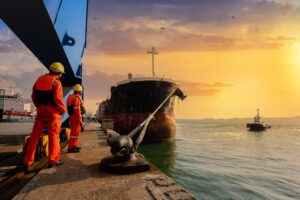

Maritime jobs are among the most demanding and dangerous professions in the United States. Whether working aboard commercial fishing vessels, cargo ships, offshore oil rigs, tugboats, or other marine operations, workers face daily risks from heavy equipment, rough weather, slippery surfaces, and long hours at sea. When accidents happen offshore, injured workers often face complicated legal questions that differ significantly from standard workplace injury claims.
According to the U.S. Bureau of Labor Statistics, transportation and material-moving occupations continue to report thousands of workplace injuries annually, with maritime environments carrying elevated risks due to hazardous operating conditions. Maritime law exists specifically to protect workers who are injured while performing duties on navigable waters.
The legal system surrounding maritime injuries can be complex, which is why many injured workers seek guidance from experienced maritime attorneys such as The Lough Firm to better understand their rights and legal options.
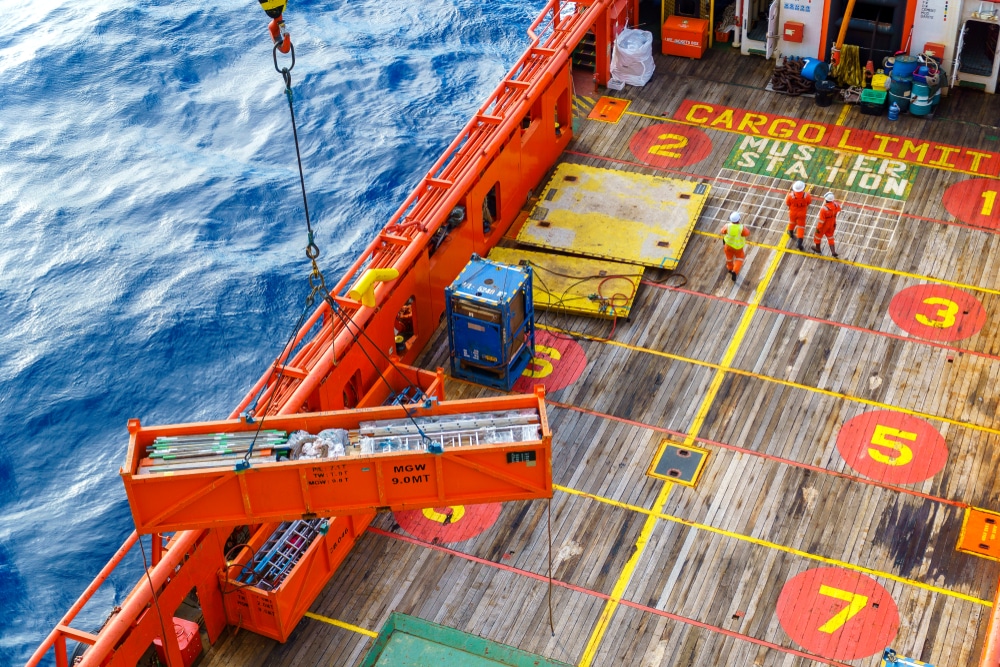
Common Causes of Maritime Injuries
Maritime accidents can occur in many ways, including:
- Slip and fall accidents on wet or unstable surfaces
- Equipment malfunctions and machinery failures
- Crane and cargo-loading accidents
- Explosions or fires on offshore vessels
- Exposure to toxic chemicals or unsafe conditions
- Fatigue-related accidents caused by long shifts
- Negligent safety practices by employers or crew members
Unlike traditional workplace injuries, maritime claims may involve federal maritime laws, international regulations, and unique legal doctrines that specifically apply to seamen and offshore workers.
Understanding the Jones Act
One of the most important protections for maritime workers is the Jones Act. This federal law allows qualifying seamen to pursue compensation if their employer’s negligence contributed to their injury.
Under the Jones Act, injured workers may be able to recover damages for:
- Medical expenses
- Lost wages
- Reduced future earning capacity
- Pain and suffering
- Rehabilitation costs
Maritime law also recognizes doctrines such as “maintenance and cure,” which may require employers to provide medical care and daily living expenses for injured seamen until they reach maximum medical recovery.
Why Maritime Injury Cases Are Different
Maritime injury claims differ from standard workers’ compensation cases in several important ways. Jurisdiction, employer liability, vessel ownership, and even where the injury occurred can significantly impact a case.
For example, some maritime claims must be filed within specific timeframes, and certain cruise or shipping contracts may include special legal provisions affecting where lawsuits can be brought. Maritime law can also involve both federal and state courts depending on the circumstances of the accident.
Because of these complexities, injured maritime workers are often encouraged to document the accident carefully, report injuries immediately, and seek legal guidance as early as possible.

Steps to Take After a Maritime Accident
If you are injured while working offshore or aboard a vessel, taking the right steps can help protect both your health and potential legal claim.
1. Report the Injury Immediately
Notify your supervisor or employer as soon as possible after the incident. Delays in reporting can sometimes affect the outcome of a claim.
2. Seek Medical Attention
Always prioritize medical treatment, even if injuries initially seem minor. Some offshore injuries worsen over time or may not present symptoms immediately.
3. Preserve Evidence
If possible, collect photos, witness information, accident reports, and any details about unsafe conditions or defective equipment.
4. Avoid Signing Documents Without Review
Insurance companies or employers may ask injured workers to sign statements or settlement agreements early in the process. Understanding the long-term implications before signing anything is important.
5. Speak With a Maritime Attorney
Maritime injury law involves unique legal standards that differ from ordinary workplace accidents. Legal guidance can help injured workers understand whether they qualify under the Jones Act or other maritime protections.
The Importance of Legal Representation
Insurance companies and large maritime employers often have legal teams working to minimize liability. Injured workers may face pressure to accept low settlements or incomplete compensation offers before fully understanding the extent of their injuries.
Experienced maritime attorneys can investigate vessel conditions, review maintenance records, interview witnesses, and determine whether negligence, unsafe equipment, or inadequate training contributed to the accident.
The Lough Firm handles personal injury and maritime-related cases, helping injured individuals pursue compensation and protect their legal rights after serious accidents.
Final Thoughts
Maritime injuries can have life-changing physical, emotional, and financial consequences. Understanding your legal rights under maritime law is essential after any offshore or vessel-related accident. From maintenance and cure claims to Jones Act lawsuits, injured maritime workers may have legal protections that are not available in traditional workplace injury cases.
Seeking medical care, documenting the incident, and consulting with a qualified maritime attorney can help ensure your rights are protected while you focus on recovery.