

A DUI charge in Alabama carries real consequences from the very first offense, and those consequences get significantly more severe with every conviction that follows. Under Alabama Code § 32-5A-191, driving with a blood alcohol concentration of .08% or higher, or while impaired by alcohol or a controlled substance, is a crime with mandatory minimum penalties. There’s no version of a DUI conviction in Alabama that comes with “just a fine.”
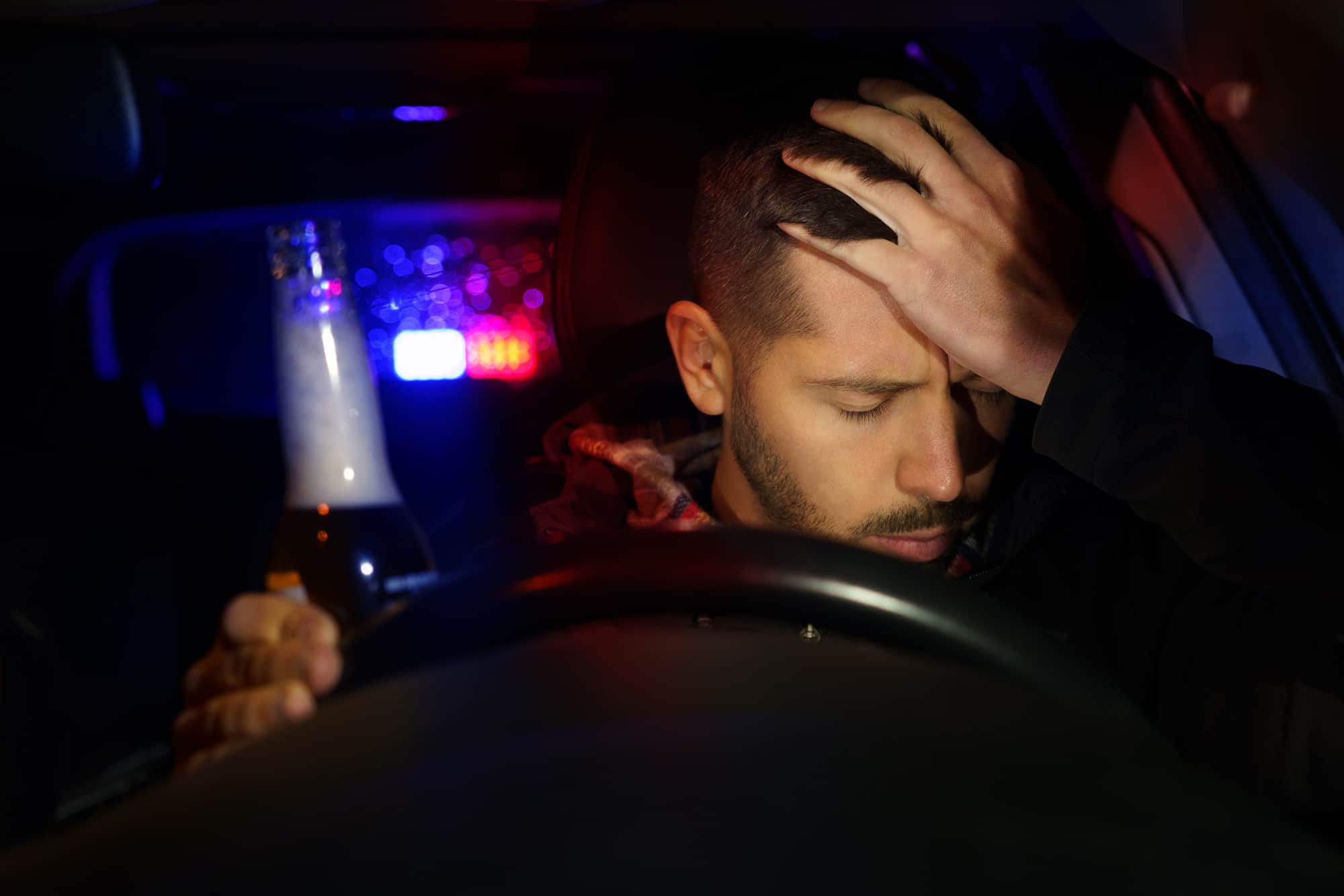
Here’s exactly what you’re facing at each offense level, what makes penalties worse, and what happens to your license along the way.
First Offense DUI
A first DUI conviction in Alabama is a misdemeanor, but it’s not a minor one. The mandatory penalties include:
- Fine: $600 to $2,100
- Jail time: Up to one year, though judges frequently suspend jail time for first-time offenders in favor of probation, particularly when the case doesn’t involve aggravating factors
- License suspension: 90 days. Alabama allows this suspension to be stayed if the driver instead installs an ignition interlock device (IID) for 90 days, which lets you keep driving during that period
- Mandatory DUI or substance abuse program: Required before your license can be reinstated
One detail people often miss: if a child under 14 was a passenger in the vehicle at the time of the stop, a first offense carries a mandatory minimum of 48 hours in jail, even though jail time is otherwise routinely suspended for first offenders.
Second Offense DUI (Within 10 Years)
Alabama looks back 10 years from the date of your current offense to determine whether a prior DUI counts as part of your record. If your second DUI falls within that window, the penalties increase substantially:
- Fine: $1,100 to $5,100
- Jail time: A mandatory minimum of five days in jail, or 30 days of community service in place of jail, depending on the judge and circumstances
- License suspension: One year, with no restricted or work-only license available during a significant portion of that period
- Ignition interlock device: Mandatory for two years once driving privileges are restored
A second offense is still typically charged as a misdemeanor, but it’s the point where the state stops treating a DUI as a one-time mistake and starts treating it as a pattern.
Third Offense DUI (Within 10 Years)
- Fine: $2,100 to $10,100
- Jail time: A mandatory minimum of 60 days in jail. This jail time is not eligible for probation, meaning a judge cannot suspend it the way they often can with a first offense
- License suspension: Three-year revocation
- Ignition interlock device: Mandatory for three years once eligible to drive again
A third DUI is still generally a misdemeanor under Alabama law, but the mandatory, non-probatable jail sentence is a meaningful line that separates it from a first or second offense.
Fourth Offense DUI: A Felony
This is the point where everything changes. A fourth DUI conviction within Alabama, or any DUI conviction after a prior felony DUI, is charged as a Class C felony under Alabama Code § 32-5A-191, and it stays a felony for every DUI conviction after that, regardless of how much time has passed.
- Fine: $4,100 to $10,100
- Prison time: One year and one day up to 10 years, served in state prison rather than county jail
- License revocation: Five years, with no restricted or work-only license available at any point during that revocation
- Ignition interlock device: Mandatory for four years once driving privileges are eventually restored
- SR-22 insurance filing: Required before reinstatement, on top of everything else
A felony DUI conviction also carries all the collateral consequences of any other felony in Alabama: loss of certain civil rights, a permanent mark on background checks that no expungement can touch (DUI convictions are excluded from Alabama’s expungement law), and a dramatically higher cost of auto insurance for years afterward, assuming you can find a carrier willing to write a policy at all.

What Makes DUI Penalties Worse, Regardless of Prior Offenses
A handful of aggravating factors can roughly double the mandatory minimum fine, jail time, and license suspension for any DUI, first offense included, and they apply on top of whatever tier you’re already in:
- A BAC of .15% or higher at the time of the stop
- Refusing a breath or blood test, which also triggers a separate administrative license suspension under Alabama’s implied consent law, independent of the criminal case
- A child under 14 in the vehicle
- A crash involving injury to another person
These enhancements apply regardless of whether it’s your first DUI or your fourth, which is why two people with the exact same offense number can end up facing very different penalties depending on the specific facts of their stop.
If Someone Is Injured or Killed
DUI penalties escalate even further, outside the standard offense-count structure, when a crash causes injury or death. An impaired driver who seriously injures someone can be charged with first-degree assault, a Class B felony carrying two to 20 years in prison and fines up to $30,000, in addition to or instead of the DUI charge itself. If someone is killed, prosecutors can pursue charges ranging from criminally negligent homicide to manslaughter or even murder, depending on the circumstances. These are separate, additional felony charges layered on top of the DUI, not a replacement for it.
Underage DUI (Under 21)
Alabama holds drivers under 21 to a stricter standard. A driver younger than 21 with a BAC between .02% and .08% can be charged with underage DUI (sometimes called UDD) rather than a standard DUI. A first-offense underage DUI doesn’t carry jail time or fines, but it does result in a 30-day license suspension, and the record is sealed from public view. A second underage DUI, or a BAC of .08% or higher at any age under 21, is prosecuted as a standard adult DUI with all the penalties described above.
License Suspension vs. Ignition Interlock: What’s the Difference?
These two consequences get confused often, but they’re separate systems. License suspension or revocation is a period where you legally cannot drive at all. An ignition interlock device is a breathalyzer wired into your vehicle’s ignition that you must pass before the car will start, and it’s typically required either instead of a suspension (for a first offense, if you choose that route) or after a suspension period ends, before your full driving privileges return. In some circumstances, particularly a refusal to test, a BAC of .15% or higher, or a child passenger, Alabama law requires the interlock for a minimum of one year regardless of offense number.
Why the Details of Your Stop Matter So Much
Because so much of a DUI penalty depends on specific facts, not just the charge itself, the details of your traffic stop and arrest carry enormous weight. Was the stop itself lawful? Was the breath or blood test administered correctly, by a certified operator, on properly calibrated equipment? Was the field sobriety test conducted according to standardized procedure? Any weakness in how the stop, arrest, or testing was handled can open the door to a reduced charge, a dismissal, or a more favorable resolution, and identifying those weaknesses is exactly the kind of work a DUI defense attorney does before a case ever reaches trial.
If you want to verify these figures yourself, Alabama’s full DUI statute, including penalty tiers, aggravating factors, and license suspension terms, is published at Alabama Code § 32-5A-191 on the Alabama Legislature’s official website.
Frequently Asked Questions
Will I automatically go to jail for a first DUI in Alabama?
Not necessarily. While a first offense carries up to a year in jail as the statutory maximum, judges frequently suspend jail time in favor of probation for first-time offenders without aggravating factors. That said, jail time becomes mandatory and non-suspendable at the third-offense level, and a child passenger under 14 triggers a mandatory 48-hour minimum even on a first offense.
How far back does Alabama look when counting prior DUI offenses?
Alabama uses a 10-year lookback period. A prior DUI conviction from more than 10 years before your current offense generally doesn’t count toward escalating you to the next penalty tier, though it can still be considered by a judge in sentencing.
Can I get a restricted or work license during a DUI suspension?
It depends on the offense number. First-offense drivers can often avoid a hard suspension entirely by installing an ignition interlock device. Second and third-offense drivers face more limited options, and fourth-offense (felony) drivers cannot obtain a restricted license at any point during the five-year revocation.
Is a DUI ever eligible for expungement in Alabama?
No. DUI convictions are specifically excluded from Alabama’s expungement law, regardless of how long ago the conviction occurred.
What’s the legal BAC limit in Alabama?
.08% for drivers 21 and older, .02% for drivers under 21, and .04% for commercial drivers operating a commercial vehicle.
Charged With DUI in Alabama? Talk to an Attorney Before Your Court Date
DUI cases move quickly, and the penalties get harder to negotiate down the further a case progresses. If you’ve been charged with DUI in Huntsville, Athens, Decatur, or anywhere in Madison, Limestone, or Morgan County, Nick Lough reviews the specific facts of your stop and arrest to identify every available option before recommending a strategy. Call (256) 333-1191 any time for a free, confidential consultation, or visit our criminal defense page to learn more.
This article is general information and does not constitute legal advice.

Nick Lough is a Huntsville attorney with nearly a decade of experience fighting for clients in criminal defense, family law, and personal injury cases. He provides dedicated, client-focused legal representation.